

The Benefits of Using Concrete for Home Durability
Concrete has been a staple in building projects for years. It’s known for its strength and durability. When considering materials for your home, concrete stands out because it can last for decades. This material’s resistance to weather, fire, and pests makes it an excellent choice for residential construction.
Why Choose Concrete for Your Home?
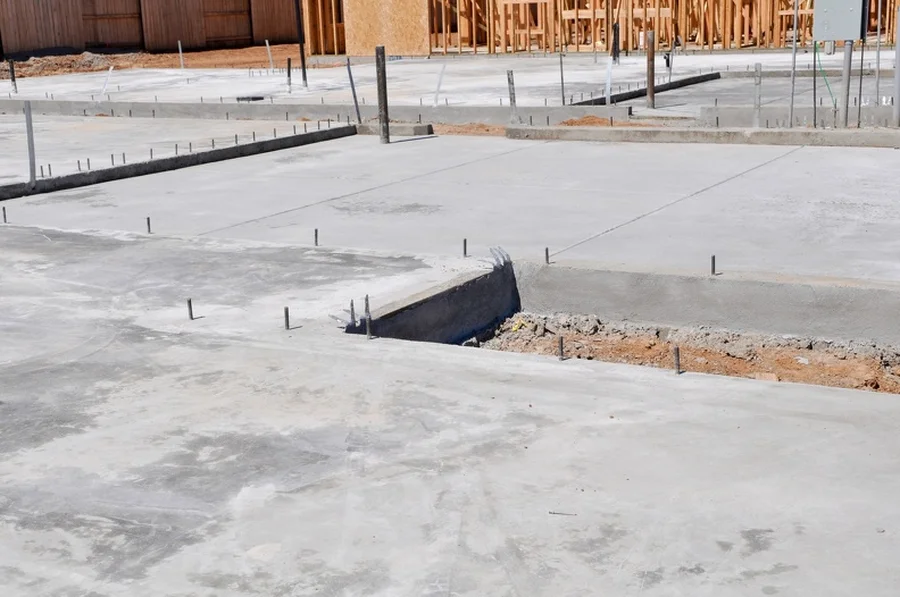
One of the main reasons homeowners choose concrete is its longevity. Unlike wood or other materials, concrete doesn’t rot or warp. Its lifespan can exceed 50 years with minimal maintenance. If you’re looking for a reliable material, you can’t overlook the benefits of concrete construction.
Understanding Concrete’s Resistance to Environmental Factors
Environmental factors such as rain, wind, and temperature changes can damage many building materials. However, concrete performs exceptionally well under these conditions. It resists moisture and does not degrade when exposed to UV rays. This makes it ideal for homes in areas with harsh climates.
Maintenance Tips for Prolonging Concrete Lifespan
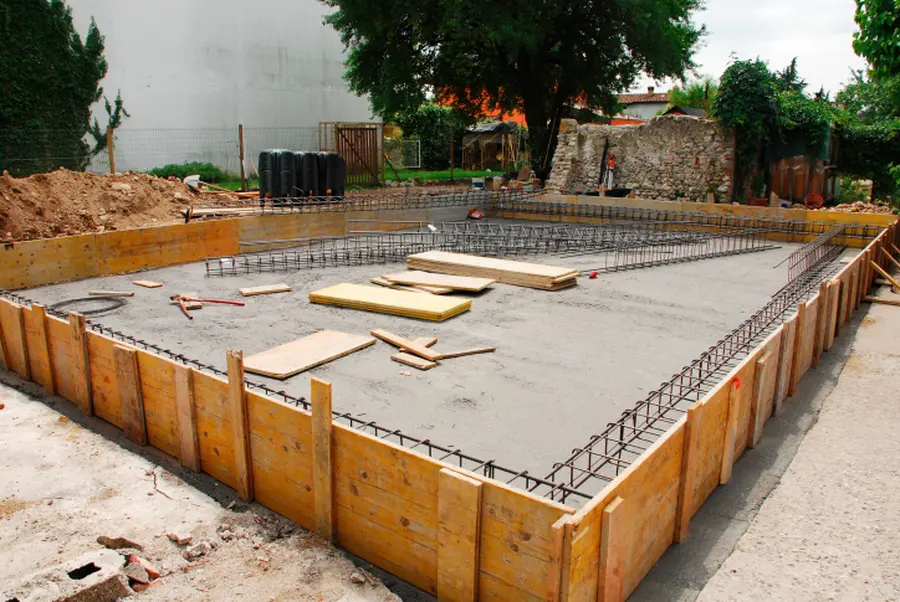
Maintaining concrete is relatively easy compared to other materials. To ensure maximum longevity, it’s important to seal concrete surfaces every few years. Regular cleaning also helps prevent stains and deterioration. Here are some additional tips:
- Inspect for cracks regularly and repair them promptly
- Avoid using de-icing chemicals on concrete surfaces during winter
- Ensure proper drainage around your home to prevent water pooling
Common Concerns About Concrete Usage
Some worry about the initial cost of using concrete in their projects. While it may be more expensive upfront than wood or vinyl, concrete’s long-term savings outweigh these costs. The low maintenance needs and energy efficiency contribute to overall value over time.
How to Implement Concrete Construction in Your Project
Incorporating concrete into your home project involves several steps. Start by consulting with a professional contractor experienced in concrete work. They will assess your needs and recommend the best applications for this material. Here’s a basic implementation process:
- Plan your design carefully, considering areas where concrete will be most beneficial
- Select the appropriate type of concrete mix based on your project’s requirements
- Schedule regular inspections during construction to ensure quality control
Best Practices With Residential Concrete Projects
For successful concrete use in residential settings, adhere to industry standards. Proper curing times must be respected to avoid premature structural issues. Additionally, it’s crucial to hire skilled professionals who understand the nuances of working with concrete.
Evaluating the Cost-Benefit Ratio of Concrete
When assessing whether concrete is right for you, consider both costs and benefits. While the initial investment might be higher, reduced maintenance expenses and increased property value make it worthwhile. Evaluate your budget and long-term goals before deciding.
Your Next Steps With Residential Concrete
If you’re ready to explore how concrete can enhance your home’s durability, reach out today. My expertise in this area ensures you’ll get the best results possible. Call me at (704) 960-6891 to start your project journey. Based in Concord, NC, I am committed to providing top-quality service through Junior Pena Construction LLC.