

How Proper Timing Affects the Quality and Durability of Concrete Projects
In any construction project that involves concrete, timing plays a crucial role. Every stage of working with concrete requires attention to when each process should occur. If you are involved in construction, understanding the importance of timing can make or break your project’s success. Timing affects not only the appearance but also the strength and durability of the concrete. Managing these aspects ensures that the finished product meets all quality standards.
Optimal Application of Cement Mixture
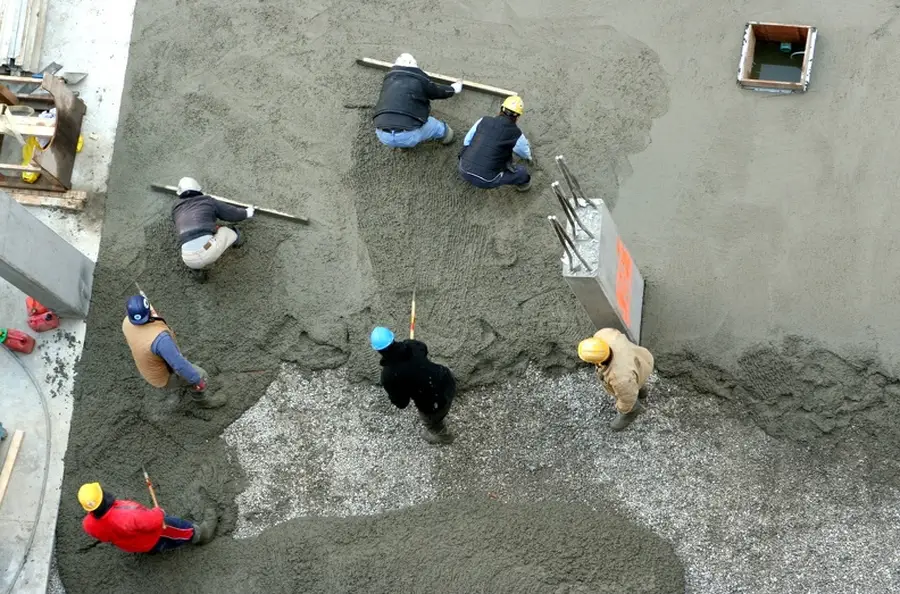
When it comes to applying the cement mixture, knowing when to start is essential. Concrete finishing requires precise timing to achieve a smooth and durable surface. You must pour the concrete at the right moment to allow for proper setting. Pouring too early or late can lead to weak spots or cracks. This is why experts stress monitoring conditions like temperature and humidity during application.
Monitoring Environmental Conditions
The external environment influences how concrete sets. Monitoring these conditions helps determine when to begin concrete finishing processes. High humidity levels can delay curing, while hot weather may accelerate it. You need to adjust your timing based on these factors to ensure a quality finish. Proper adjustments prevent premature drying which leads to surface defects and compromised structural integrity.
The Role of Mixing and Waiting Times
A crucial step is mixing the correct proportions of water, cement, and aggregates. Once mixed, understanding waiting times before pouring is key. Concrete finishing benefits from using this downtime wisely. During this period, monitor the mix’s consistency and make necessary adjustments. This ensures that once poured, the concrete will settle evenly and maintain its composition throughout the curing phase.
Identifying Signs for Next Steps
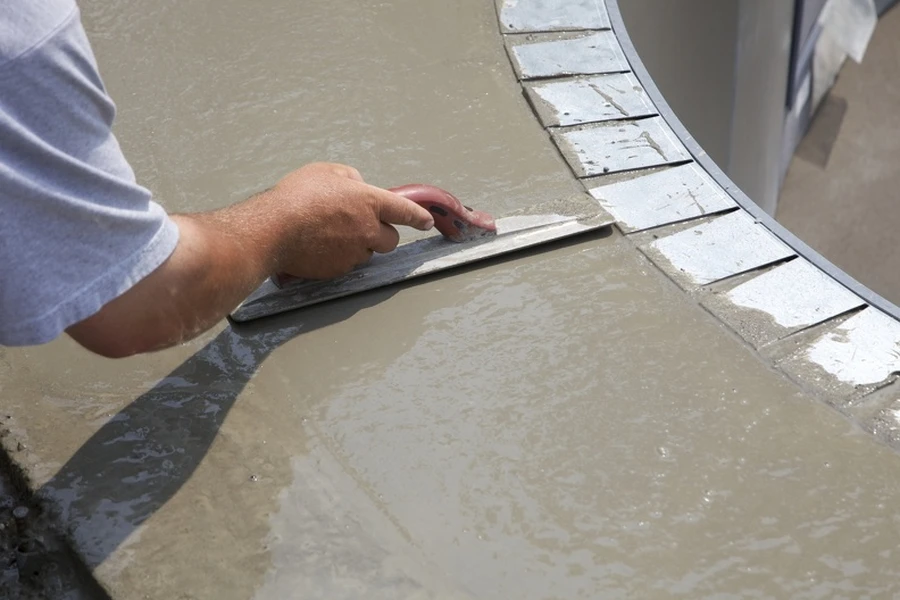
Recognizing signs that indicate it’s time for the next step can improve efficiency. For instance, surface sheen diminishes as water evaporates, signaling readiness for further actions. Knowing these cues allows timely moves onto tasks such as leveling or smoothing. Being vigilant about these signs ensures high-quality results without unnecessary delays.
Common Mistakes in Timing
Missteps in timing often lead to common issues in concrete work. These include cracking, uneven surfaces, and weakened structures. Avoid pouring concrete under unsuitable weather conditions, like extreme heat or cold. Also, rushing through steps without allowing sufficient curing time compromises overall quality.
Best Practices for Timely Concrete Work
- Monitor environmental conditions regularly
- Use weather forecasts to plan your work schedule
- Allow adequate time between mixing, pouring, and finishing
- Watch for visual cues indicating readiness for each step
- Adjust techniques based on observed changes
Impact of Proper Timing on Project Success
Mastering timing significantly impacts project success by enhancing both appearance and structural integrity. Not only does it influence immediate results, but it also affects long-term durability. Implementing proper timing practices reduces repair needs over time and saves costs associated with maintenance and fixes.
Get Professional Assistance Today
If you’re looking to achieve impeccable results in your concrete projects, don’t hesitate to reach out for expert help. Located in Concord, NC, I offer insights into optimizing your construction timelines. Contact Junior Pena Construction LLC today at (704) 960-6891 for guidance tailored to your specific needs.